Australia’s Mandatory Climate Disclosures Explained: What Organisations Need to Know

Australia has introduced mandatory climate-related financial disclosures, marking a significant shift in how organisations must identify, manage, and report climate risk. These requirements move climate reporting from a voluntary sustainability exercise to a regulated financial and governance obligation.
This document explains:
- What Australia’s mandatory climate disclosures are
- Who must comply
- What information must be reported
- How organisations can prepare efficiently and credibly
Why Australia Introduced Mandatory Climate Disclosures
Climate change is now recognised as a material financial risk. Physical impacts, transition risks, and regulatory changes affect asset values, insurance, supply chains, and access to capital.
Australia’s mandatory climate disclosure framework aims to:
- Improve consistency and comparability of climate reporting
- Reduce greenwashing through standardised disclosures
- Align Australia with global climate reporting standards
- Support better investor and board-level decision-making
The framework is aligned with the ISSB climate standard (IFRS S2) and builds on the principles of the TCFD.
Who Needs to Comply with Mandatory Climate Reporting in Australia?
Mandatory climate disclosures will be introduced in phases, starting with large and systemically significant organisations, including:
- Large listed and unlisted companies
- Financial institutions and insurers
- Asset owners and asset managers
Even organisations outside the initial scope may still be impacted through supply chain and financing requirements, as larger entities seek emissions and climate-risk data from their partners.
What Must Be Disclosed Under Australia’s Climate Rules?
Australia’s climate disclosure requirements are structured around four core pillars, consistent with ISSB and TCFD frameworks.
1- Governance
Organisations must disclose:
- Board oversight of climate-related risks and opportunities
- Management roles and responsibilities
- How climate considerations are embedded into decision-making
2 – Strategy
Disclosures must explain how climate change affects:
- Business strategy and financial planning
- Short-, medium-, and long-term performance
- Transition plans and resilience under different climate scenarios
3 – Risk Management
Organisations are required to describe:
- How climate risks are identified and assessed
- Integration with enterprise risk management
- Management of physical and transition risks
4 – Metrics and Targets
This includes:
- Scope 1 and Scope 2 emissions reporting, with Scope 3 phased in for many entities
- Emissions methodologies and assumptions
- Climate targets and progress against those targets
- Use of offsets or credits, where relevant
Accuracy, consistency, and audit readiness are essential.
The Operational Challenge of Climate Disclosure Compliance
Many organisations struggle with:
- Manual emissions calculations
- Spreadsheet-based reporting
- Disconnected sustainability data
- Inconsistent assumptions across reporting periods
- Limited audit trails
Mandatory climate reporting requires a shift from one-off reporting to continuous climate performance management.
How to Prepare for Mandatory Climate Disclosures
Leading organisations are taking action now by:
- Establishing clear governance and accountability
- Building reliable emissions baselines across operations
- Translating targets into funded, measurable initiatives
- Integrating climate risk into enterprise risk frameworks
- Replacing spreadsheets with structured sustainability systems
How Call from Earth Supports Climate Disclosure Readiness
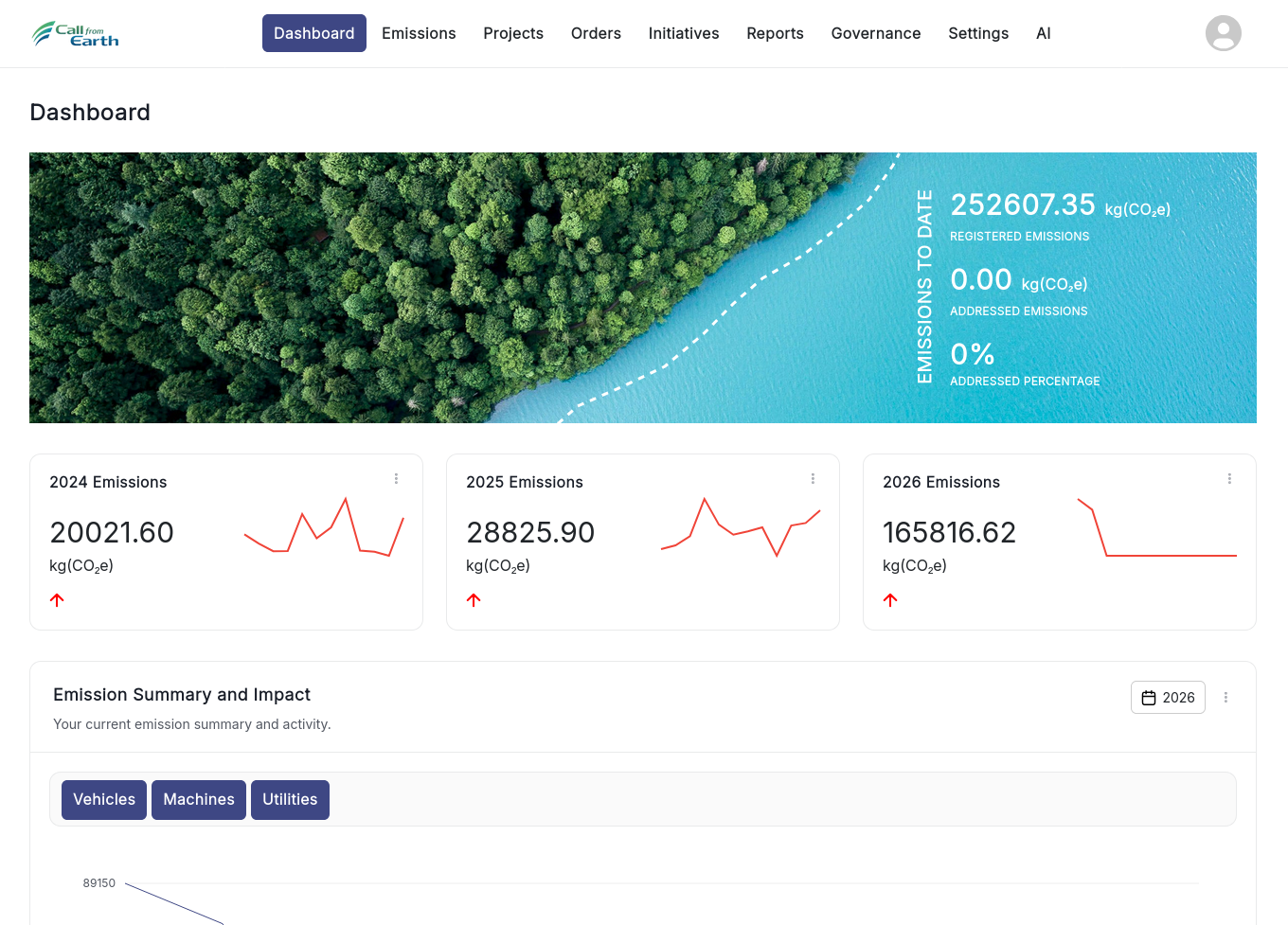
Call from Earth is a sustainability and emissions intelligence platform designed to support organisations preparing for mandatory climate disclosures in Australia.
The platform helps organisations:
- Measure Scope 1, 2, and relevant Scope 3 emissions
- Track sustainability initiatives against targets
- Monitor actual performance over time
- Manage Risks and Opportunities
- Maintain consistent methodologies and audit trails
- Support disclosure-ready reporting aligned with ISSB and TCFD
Rather than treating climate disclosure as a compliance burden, Call from Earth enables initiative-based sustainability management that supports long-term value creation.
Looking Ahead
Australia’s mandatory climate disclosures represent a structural shift in corporate accountability. Organisations that act early will be better positioned to meet regulatory expectations, maintain investor confidence, and manage climate risk proactively.
Useful Links
Sustainability Reporting Resources
© 2026 Arensen Group Pty Ltd.